Connecting is key to experiencing positive LMS experiences. Instructional designers must consistently evaluate content. Often faculty lack time to revisit learning approaches, but improving the quality of online learning platforms is crucial to growing post-secondary environments. LMS must be systemic and continually evaluated. Far too many virtual courses develop a learning repository for students and courses are not viewed as unique experiences. This often leads to feelings of detachment from both the learner and instructor. Content may become dated. Instruction often lacks meaning. Building stronger connections requires both collaboration and evaluation of instructional approaches. Faculty often do not revise courses in LMS environments. Approaches to holistic and consistent instructional design is needed for all learning environments, virtual and face to face.
The Kemp Model
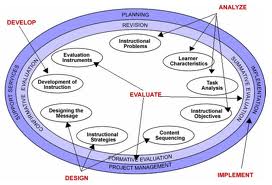
The Kemp Model is one approach to revising content within the learning environment. The designer is free to begin with any Kemp Model element and instructors can be flexible as they do not have to present elements in any particular order. Multidisciplinary approaches must be considered by faculty. How can we reliably and consistently evaluate online learning environments? How do we keep the element of creativity as we apply standardized evaluation techniques? Models are tested. Theories explain the whys surrounding learning outcomes and experiences related to an instructional model.
ARCS Motivational Design
The ARCS model appeals to me as it lends itself to a strong sense of community and student motivation. Using experiences, visuals, relevance, and strong collaboration exercises provide meaning. Satisfaction and confidence are two great elements for faculty to consider measuring. The ability for users to form deeper short term and long term relationships is measurable.


 Dr. Jennifer Miller-Ray
Leave a comment