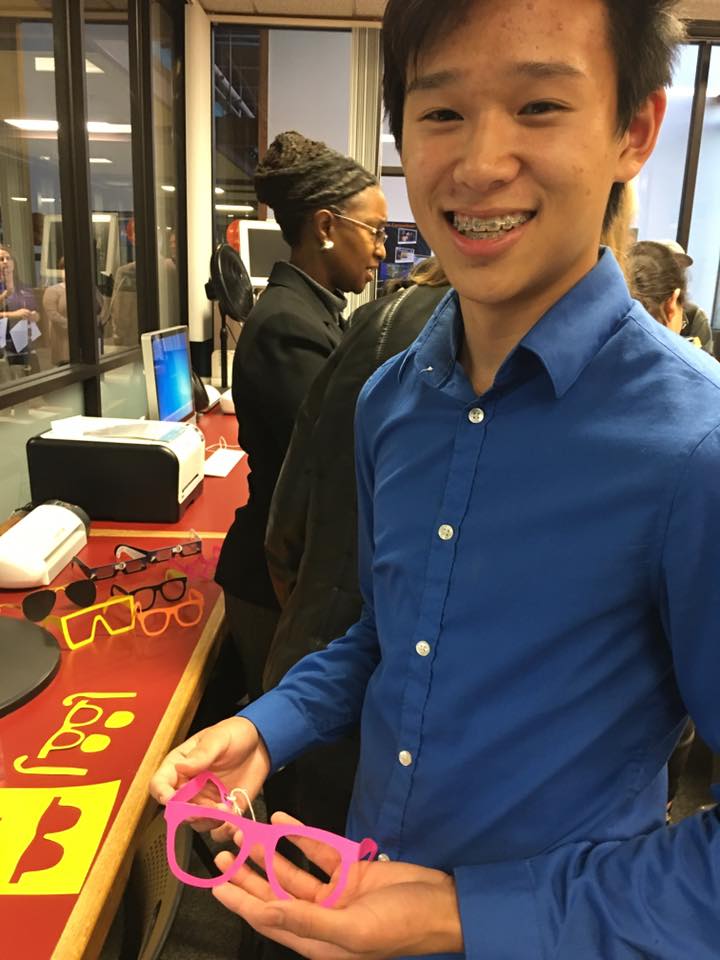
Makerspace environments not only foster innovation, collaboration, critical thinking, and problem solving, activities strongly support cognitive pluralism and serves as a platform to create unity in diverse education systems. Leaders in education must begin to recognize that learners may have different cognitive architectures, therefore being disposed to reason differently or form and revise beliefs and desires differently (“Cognitive pluralism – Oxford Reference”, 2017). In other words, learning is not a standardized process. Yes, it is important to measure progress, but we must recognize the process of doing so is much more complicated than just charting a biased data set. As Time magazine’s Rana Foroohar (2016) correctly points out, “big data comes with the biases of its creators.”
Makerspace Encourages Communication, Discourse, and Conflict Resolution
Makerspaces serve to promote a stronger cultural understanding through the art of making. Community discourse encourages an exchange of cultural perspectives. As each learner attempts to apply the design process of a makerspace project based learning activity, students share research perspectives, debate on approaches, learn about other cultural perspectives, design an make an artifact within a community, and receive feedback from peers. If teachers encourage a written reflection about the process of making after makerspace, students can learn conflict resolution skill sets, a vital 21st century skill. Johnson, Johnson, and Tjoosvoid (2006) describe strategies to encourage skilled disagreement. When students participate in claim evidence reasoning activities, “students learn that criticizing an idea is not criticizing those who propose ideas-that their worth as human beings is separate from their ideas” (Koppelman, 2014, p. 60).

Makerspaces Encourage Self-Confidence for Diverse Students
We know attitudes can influence success or failure in learning. Learning may not happen easily unless students have positive attitudes toward learning the content. Makerspaces using a four station approach, in which students solve the problem as an artist, journalist, scientist, or engineer, may offer the ability for diverse students to select a comfortable and safe approach toward learning. This multicultural approach serves to not only improve the attitude toward learning, but provides a strategy to improve the self-efficacy of diverse students.
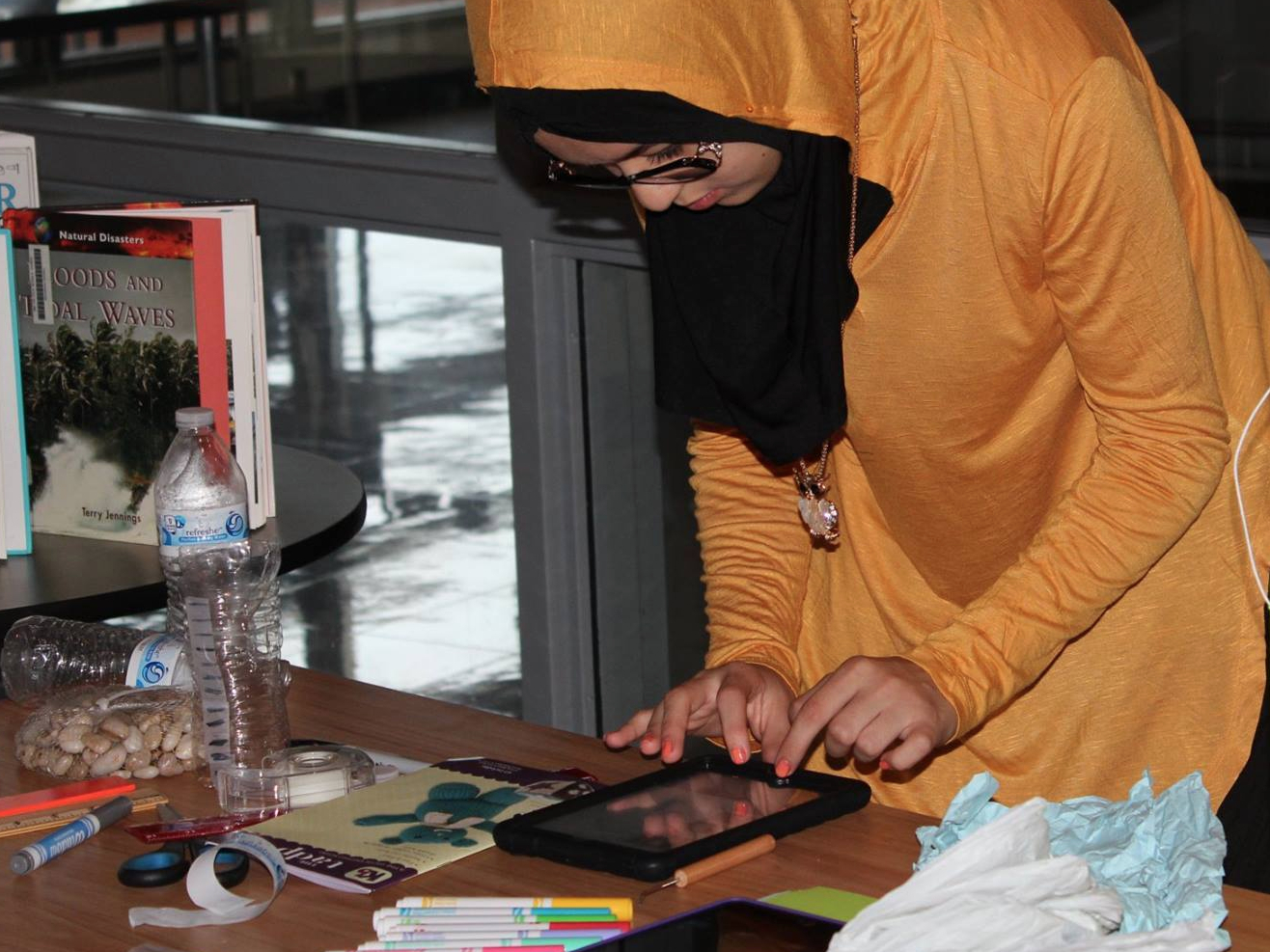
Cognitive pluralism – Oxford Reference. (2017). Oxfordreference.com. Retrieved 14 September 2017, from http://www.oxfordreference.com/view/10.1093/oi/authority.20110803095622312.
Foroohar, R. (2017). Big Data Comes With the Biases of Its Creators. Time.com. Retrieved 14 September 2017, from http://time.com/4477557/big-data-biases/.
Koppelman, K. L. (2014). Understanding human differences: Multicultural education for a diverse America (4th ed.). Pearson.
Johnson, D.W., Johson, R.T., & Tjosvold, D. (2006), Constructive controversy: The value of intellectual opposition. In M. Deutsch, P. Coleman, & E.C. Marcus (Eds.), The handbook of conflict resolution (2nd ed. pp. 65-85). San Francisco, CA: Jossey-Bass.
 Dr. Jennifer Miller-Ray
Leave a comment