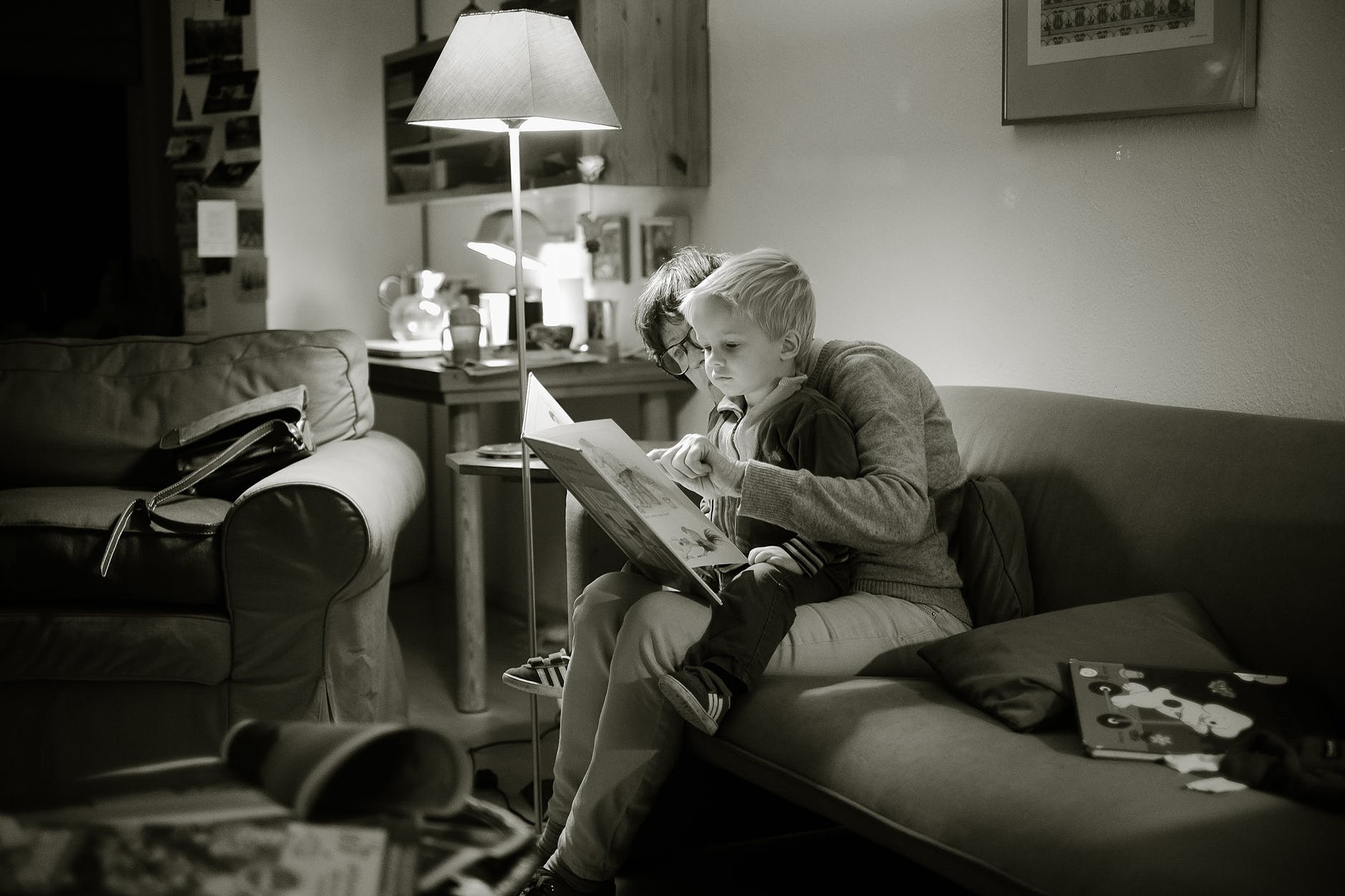
How did I learn to read? This is a good question to consider when thinking about the process of reading. Teresa Horner, a middle school librarian aide, taught me how to read at a very early age. Mrs. Horner is also my mother and avid reader, which enriched my opportunities toward becoming a successful reader. My mother took a big interest and engaged me every day with rhyming and song. Before I could read, I remember memorizing Baring-Goud & Baring-Gould’s Mother Goose (1967) nursery songs that we would sing together. Later we graduated to Dr. Seuss’s children books and rhymes. I learned to listen while other read to me and to interact with the reader via song. The public library always offered a summer reading program and my mother would escort all four of her children to the program each summer. As a kindergartner, we were able to have our parents read to us to sign off on our program. Participants were rewarded in some way, but I do not remember what the reward was. We were encouraged to read 10 books each summer, attend a weekly meeting, and participated in a party afterwards. As an early reader, we participated in literacy circles, met colorful authors and guest readers, and created artistic representations of the books we read during public library programs. I began to learn to read early in life, 4 to 5 years of age, with learning the alphabet. As the textbook mentions, pictures and song influenced both my ability to engage and comprehend readings. My first grade teacher, Mrs. Fortune, provided us with books that we would take home to read. They were very simple and required parent involvement. As we progressed to second, third, fourth, and fifth grade, I remember my mother encouraging us to read more. As a family, we would read chapter books to include the Boxcar Boys, Nancy Drew Mystery Stories, and Little House on the Prairie. Again, she took me to the public library each week and we would check out books together as a family. I don’t remember my school librarian at all and don’t remember the school library being a fun learning environment. The public library was always of interest to me.
Baring-Gould, W. S., & Baring-Gould, C. (1967). The annotated Mother Goose: nursery rhymes old and new. New American Library.
Cobb, J. B., & Kallus, M. K. (2011). Historical, theoretical, and sociological foundations of reading in the united states. Boston, MD: Pearson Education Inc.
 Dr. Jennifer Miller-Ray
Leave a comment