Category: Education

  • Understanding Diversity Through Makerspace

    Understanding Diversity Through Makerspace

    Makerspace environments not only foster innovation, collaboration, critical thinking, and problem solving, activities strongly support cognitive pluralism and serves as a platform to create unity in diverse education systems. Leaders in education must begin to recognize that learners may have different cognitive architectures, therefore being disposed to reason differently or form and revise beliefs and desires differently (“Cognitive pluralism – Oxford Reference”, 2017). In other words, learning is not a standardized process. Yes, it is important to measure progress, but we must recognize the process of doing so is much more complicated than just charting a biased data set. As Time magazine’s Rana Foroohar (2016) correctly points out, “big data comes with the biases of its creators.”

    Makerspace Encourages Communication, Discourse, and Conflict Resolution

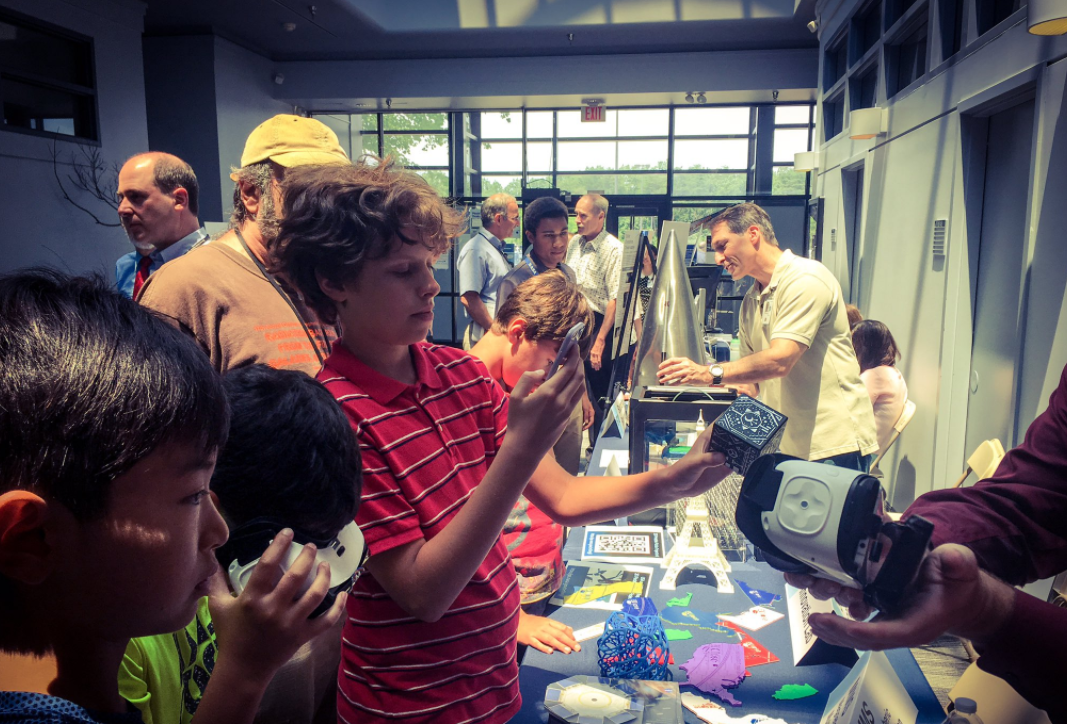
    Makerspaces serve to promote a stronger cultural understanding through the art of making. Community discourse encourages an exchange of cultural perspectives. As each learner attempts to apply the design process of a makerspace project based learning activity, students share research perspectives, debate on approaches, learn about other cultural perspectives, design an make an artifact within a community, and receive feedback from peers. If teachers encourage a written reflection about the process of making after makerspace, students can learn conflict resolution skill sets, a vital 21st century skill. Johnson, Johnson, and Tjoosvoid (2006) describe strategies to encourage skilled disagreement.  When students participate in claim evidence reasoning activities, “students learn that criticizing an idea is not criticizing those who propose ideas-that their worth as human beings is separate from their ideas” (Koppelman, 2014, p. 60).

    14922235_10154426388370743_2183760338966339176_n

    Makerspaces Encourage Self-Confidence for Diverse Students

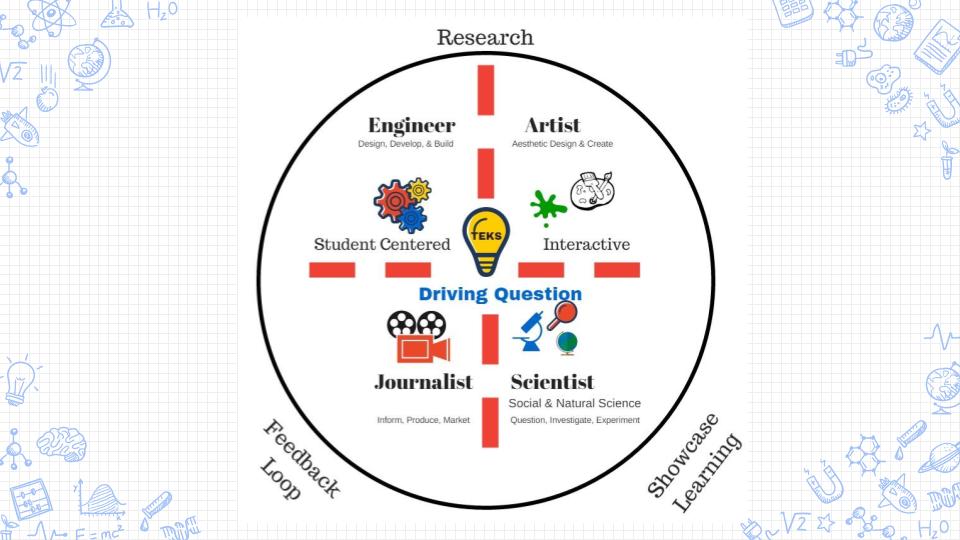
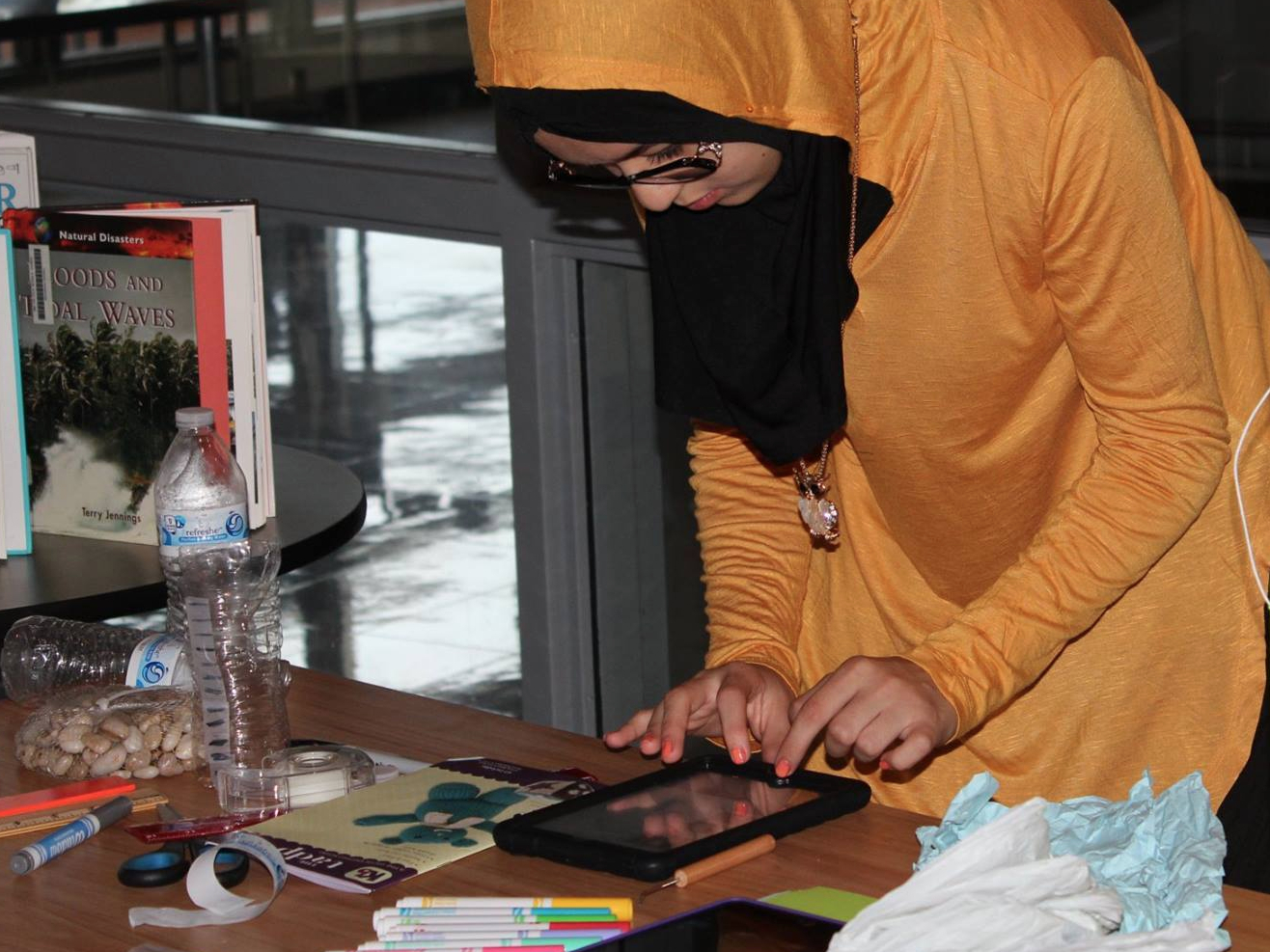
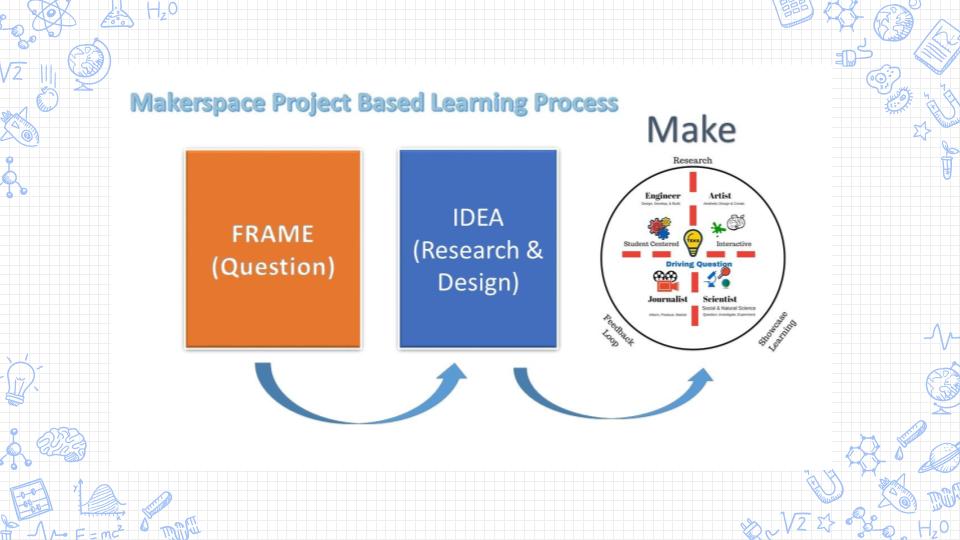
    We know attitudes can influence success or failure in learning. Learning may not happen easily unless students have positive attitudes toward learning the content. Makerspaces using a four station approach, in which students solve the problem as an artist, journalist, scientist, or engineer, may offer the ability for diverse students to select a comfortable and safe approach toward learning. This multicultural approach serves to not only improve the attitude toward learning, but provides a strategy to improve the self-efficacy of diverse students.
    12079958_10153520286560743_5465554661638601068_o.jpg


    Cognitive pluralism – Oxford Reference. (2017). Oxfordreference.com. Retrieved 14 September 2017, from http://www.oxfordreference.com/view/10.1093/oi/authority.20110803095622312.

    Foroohar, R. (2017). Big Data Comes With the Biases of Its Creators. Time.com. Retrieved 14 September 2017, from http://time.com/4477557/big-data-biases/.

    Koppelman, K. L. (2014). Understanding human differences: Multicultural education for a diverse America (4th ed.). Pearson.

    Johnson, D.W., Johson, R.T., & Tjosvold, D. (2006), Constructive controversy: The value of intellectual opposition. In M. Deutsch, P. Coleman, & E.C. Marcus (Eds.), The handbook of conflict resolution (2nd ed. pp. 65-85). San Francisco, CA: Jossey-Bass.
  • Celebrating Diversity and Eclipse 2017 via a Makerspace K’e Activity

    Jean Piaget stressed that “children have real understanding only of that which they invent themselves, and each time that we try to teach them something too quickly, we keep them from reinventing it themselves.” (Papert, 1999).  As I continue to collaborate with makers and educators around the world, I like many before me see patterns preventing progress. Programs and strategies often talk of innovation and creativity, but fail to create systems and processes to provide a sustained action. Unfortunately, many are missing the mark. Makerspaces can serve as a disruptive change agent that can encourage diverse learners to create, invent, and in effect develop new knowledge.

    During the last few months, I have had the opportunity to collaborate and coach a Navajo school located in northern Arizona through an Indigenous Makerspace Outreach program coordinated by NASA, the Indigenous Education Institute, the University of North Texas, and myself.  Ideas on integrating a makerspace approach continue to take shape, which began in 2012 with a joint ISTE and NASA Multiscale Magentosphere curriculum initiative. I had an idea that I developed through my PLN that took traction. I collaborated with Sandra Wozniak, Tom Chambers, and Troy Cline on a STEAM approach that utilized 4 career stations. That STEAM approach was revamped through four separate NASA and state funded programs to include multiple STEAM camps in Texas and other locations around the world, a NASA Makerspace Launch activity in Florida at the Kennedy Space Center, NASA funded Makers’ Guild professional development outreach program located in north Texas, and now a NASA funded Indigenous Makerspace Outreach program. With each new program and idea, our makerspace project-based learning process grew.

    Makerspace Connections to Literacy

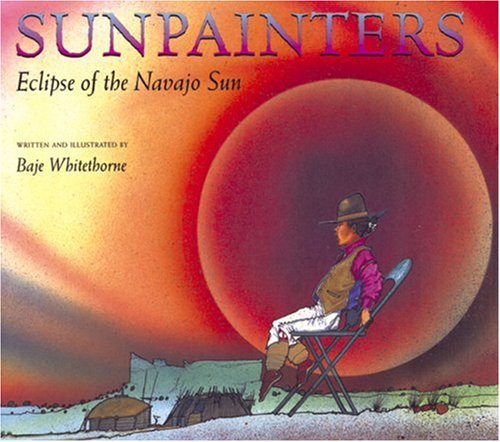
    Students and the entire Navajo school staff have read Sunpainters: The Eclipse of the Navajo Sun. After reading the story, students identify main ideas and concepts. Annelle Butler, a teacher at Spicer elementary located in north Texas helped me to revamp this concept to include a focus on complex text. Ms. Butler serves a very diverse student population, with over 14 languages represented in her classroom last year. Makerspace served to help Ms. Butler meet the needs of diverse learners. Students complete a KWHL chart to identify main ideas and themes.

    A Navajo cultural teacher working with me, has weaved Navajo teachings into literacy activities to center on an understanding of K’e – The Kinship System. After developing a strong understanding of content, students then extend research as they fulfill a makerspace project based learning activity using challenge cards. After making an artifact, students will write and reflect on their makerspace design process, utilize informational text, and add content to their personal journals.

    515OLGE4kxL (1)

    Making Through 4 STEAM Career Lens

    The concept of making  using a purposeful instructional design, can help diverse learners bridge the academic gap between the arts and the sciences. How does a purposeful design help? Purposeful design adds a focus to the design process, which aides in students knowing how to direct student-led passion projects.

    Maximizing PBL Makerspace Environments

    Maximizing PBL Makerspace Environments (1)

    Such a process is rooted in research, but often schools fail to understand the importance of purposeful design. It serves to provide enrichment toward classroom content centering around a central question. In this case, students are posed with the following question.

    How does elements in the Sunpainters: Eclipse of the Navajo Sun represent K’e?

    I worked with teachers during two online professional development training using Zoom and a face to face 3 hour training. Traditional Navajo beliefs center on the elements. The sun and moon are powerful deities in Navajo culture. The sun controls and regulates the universe, while the moon controls and regulates the earth. As a result, we will be honoring traditional beliefs indoors during this sacred time. Afterwards, students will participate on a makerspace event to reflect on activities during the last week through the lens of a scientist, journalist, artist, and engineer. Students will be presented several challenge card activities and will be encouraged to create their own makerspace challenge card. A representative of challenge cards are located below.

    Students will showcase makerspace products in multiple community events during the next month. The program serves to be a model to other organizations. Teachers will continue to learn how to design makerspace challenge cards with me throughout the school year. In addition, students will reflect in writing journals on their design process. Additional activities will include weaving, sash belt looms, and other traditional Navajo arts.

    Papert, S. (1999). Papert on piaget. Time magazine, (p. 105).

  • Cultivating Ideas via Makerspace

    Last week I was fortunate to collaborate with an amazing Makerspace community, known as the Makerspot, led by NRH Public Library Director Cecilia Barham located in north Texas. I began this blog post but failed to publish it.  Teachers not only connected with the makerspace community, they were challenged to make a product, that connected to main ideas and concepts in their content area, serving the role of a journalist, engineer, artist, or scientist.  Teachers selected an article, book, or play and began to make a product.  Afterwards, teachers shared their products or ideas to the makerspace community. Take aways included the following.

    Makerspace Centers On Community

    It is important to remember that a true makerspace is a community of makers, not relying on just one leader or participant. When a makerspace becomes a shared space of leaders sharing their craft, all students benefit. Many schools fail to understand this. As a result, the makerspace becomes a club or after school program. While this does provide many benefits, the lack of shared ownership can result in the makerspace facilitator feeling overwhelmed. In addition, when the sponsor leaves, so does the program. Perhaps, the largest issue is the lack of connection to classroom content. Connecting teachers to the space provides a platform to enrich curriculum and shared ownership.

    (more…)

  • Choose Your Own Adventure.. My Summer Professional Learning Reflections

    Choose Your Own Adventure.. My Summer Professional Learning Reflections

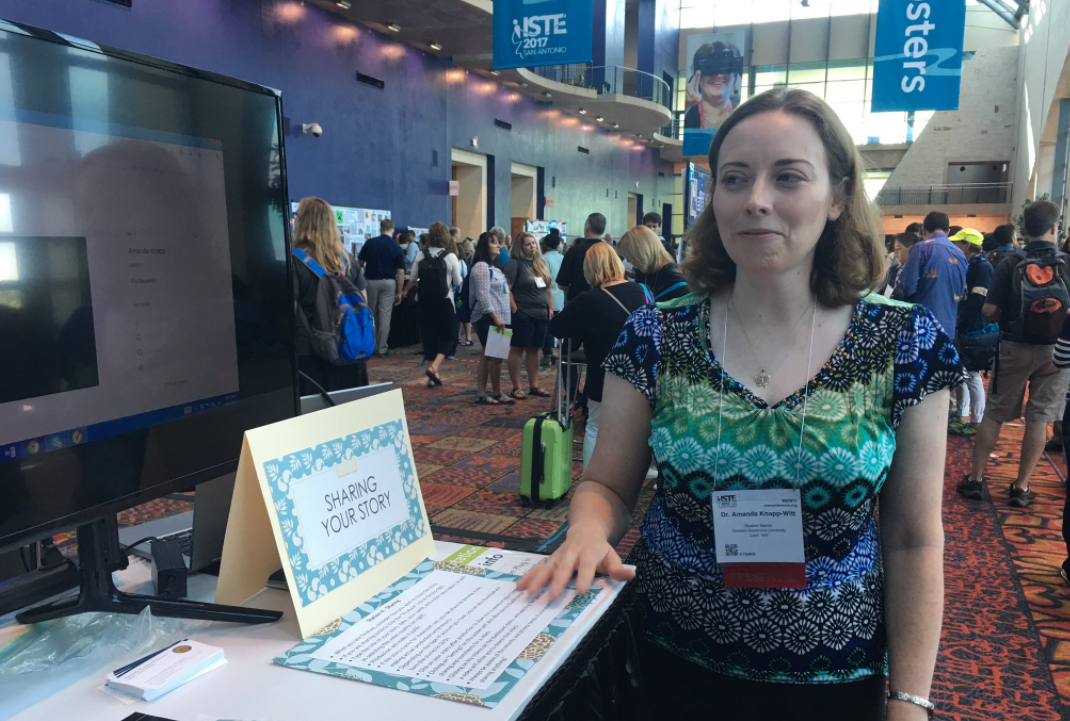
    Anyone involved in public education knows that summers are full of opportunities for educators to embrace professional learning.  Educators and leaders are surrounded with many avenues to model life-long learning. No longer do we have to wait for PD to come to us. This year I had the opportunity to connect and grow my PLN for an entire two months. For the first time in five years, I was not enrolled in graduate courses or completing a dissertation,  free to just learn about any topic of interest and connect. I attended multiple conferences to include Texas ASCD Ignite, ISTE, Denton’s TIA, and immersed myself with exploring content in multiple museums, even visiting the Library of Congress to research the upcoming solar eclipse. Certain themes emerged this summer during my adventure.

    Creativity Matters

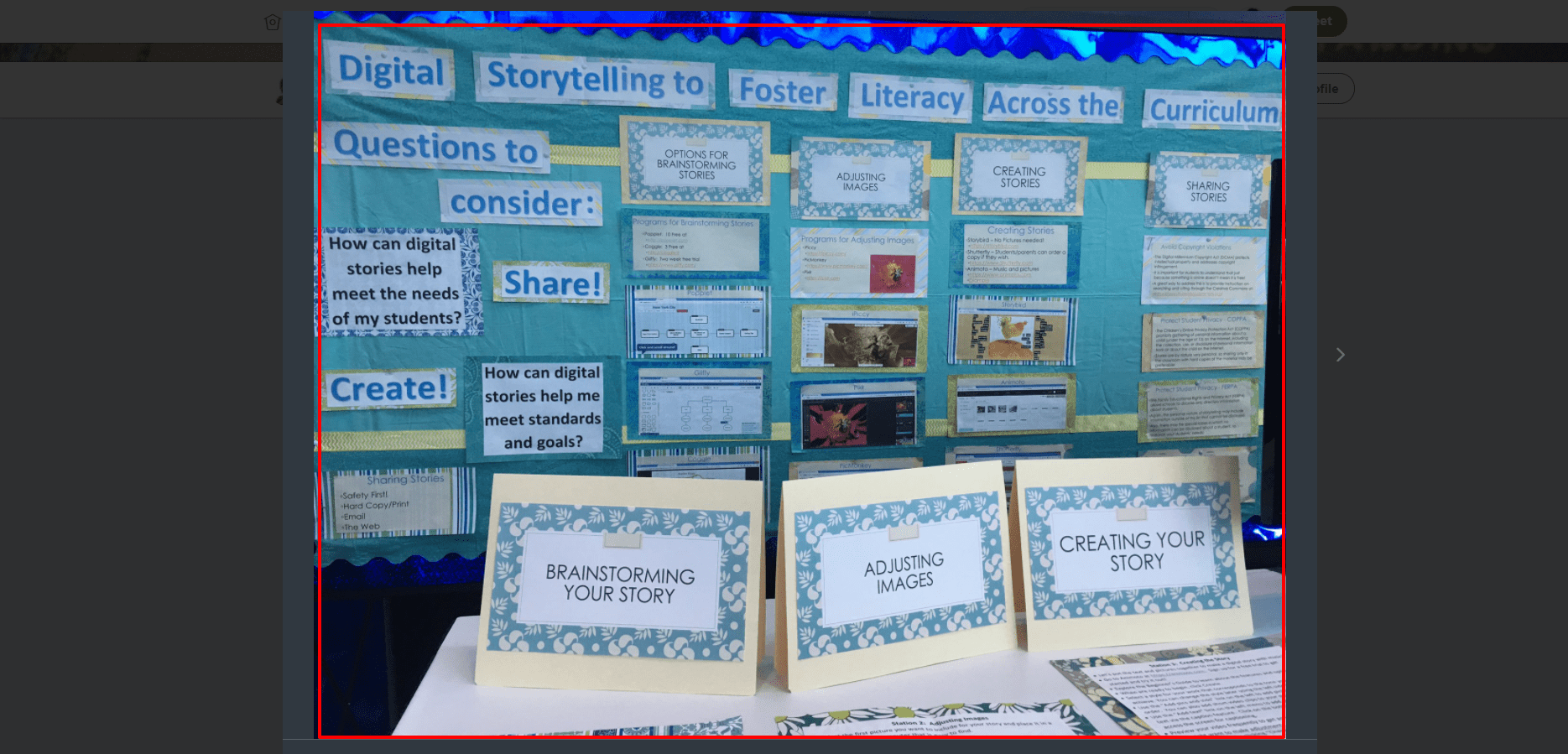
    With so many makerspace, STEM, and STEAM apps, and instructional approaches available to organizations and teachers, choices and program approaches can become overwhelming. It was exciting to see so many great project-based learning approaches centered around storytelling. Many schools are combining storytelling with gaming. For example, it was cool to see how students really engaged with Minecrafting a Colonial City. I liked the following process used toward incorporating digital storytelling with core curriculum.

    Dr Jennifer Miller steamlearnlab Twitter (2)

    Dr Jennifer Miller steamlearnlab Twitter (3)

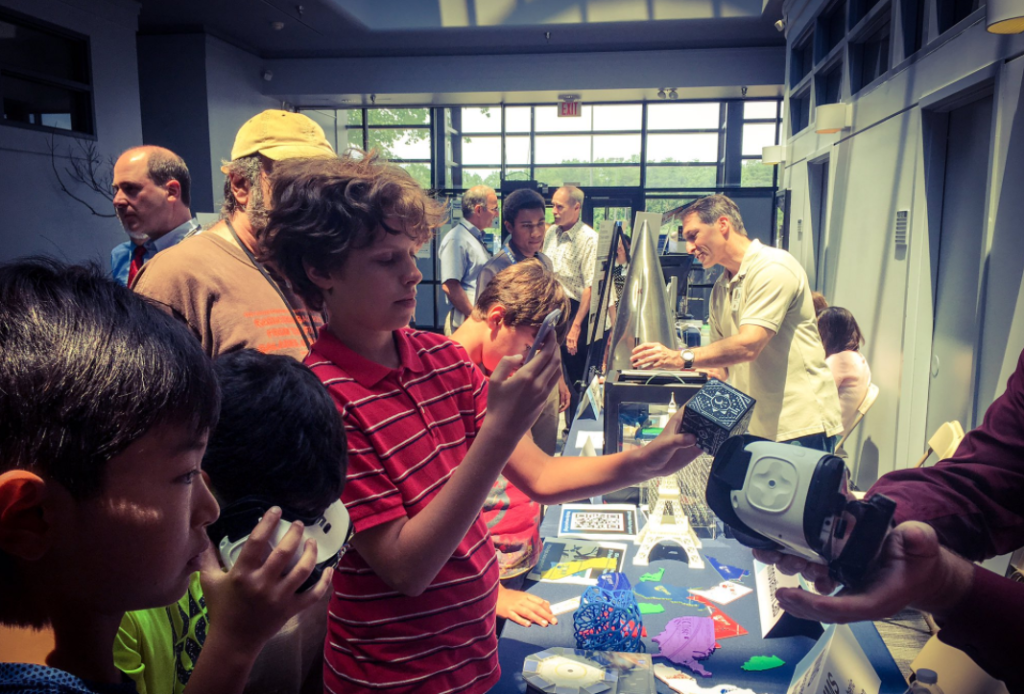
    Lewisville ISD has incorporated a mobile transportation lab, a collaborative unit, serving 70 libraries and STEAM labs. This provides an introduction to educators and students toward creative learning technology approaches. I visited NASA’s STEM Innovation Lab at Goddard Space Center and I was inspired by the many uses of the 3D printer. Learners of all ages were inspired to learn using 3D printed models, which encourages me to continue producing curriculum and 3D printing training programs.

    Dr Jennifer Miller steamlearnlab Twitter (4)

    Transparency Matters

    Eric Schlesinger always inspires. He recently provided a keynote at Denton TIA in which he reminded us that transparency really does matter. I have been a heavy user at times of social media, blogging, and at times have had to unplug. Often those whom are very plugged in are criticized for bragging. However, Eric reminds us that branding your story isn’t only ok, it is necessary toward being transparent and building trust. In fact, telling your story connects learning to stakeholders. He reminded us of the importance of being transparent and consistent with our posts. During the last two years, I had dropped my professional blog posts. After hearing him speak last week, I decided to pick up my blog and begin consistently posting once a week. Hopefully, this exercise will increase my ability to communicate digital learning and cognitive science approaches to all stakeholders. Change does not come from opinions. Change is brought about by the examples we set and our reactions toward others.

    Community Matters

    It is important to remember that the teacher makes the difference! It was very inspiring to see how teachers at WELD Re-4 School District deliver a creative conference in which students, business leaders, and educators provide professional learning sessions to the entire community. A result of this program included a new scholarship program,  innovations scholarships, which are provided toward students who demonstrate quality interactive student showcases.

    The final takeaway for this summer is that true learning is FUN! I am very grateful to have had this opportunity to learn and connect with so many around the world. This is going to be an amazing school year!


  • Exploring Advanced Instructional Design iCARE, Blooms, and Backwards Design Models

    Image
    Building Connections…

    iCARE Instructional Design Model

    Rhonda Ritter’s presentation on the iCARE instructional design model provides an excellent framework to utilize with secondary/post-secondary students.  The iCARE model, from my perspective,  builds strong connections to 21st century learning skill sets. iCARE consists of a simple and flexible design approach.  iCARE  (Introduction, Connect, Apply, Reflect, and Extend) provides students with  answers to why learning content is needed and how content extends to “real world” scenarios.  Students often need to extend reflections to a larger audience. Students who often lack motivation to earn or make the grade, and iCARE provides an external motivator that could push students towards lifelong learning.  Online learning environments offer a variety of collaborative platforms, and the iCARE model could easily provide learning communities an improved online environment to “showcase” and extended learning to a larger audience.

    Backwards Design

    Brenda Quintanilla provided a strong presentation on how the Backwards Design model improves instruction by aligning objectives to final outcomes.  Backward design suggests that learning design should should begin with  a final assessment in mind.  Backward design attempts to ensure that students meet the expected outcomes or course goals.   While I agree that aligning is very important, instructors must be cautioned to not “teach to the test.”  Drill and kill approaches often fail to inspire students to apply content to real world scenarios or approaches.  Goals are important, but assessment driven instruction can become repetitive.  Educators and instructors perhaps need training on best practices on using Backward Design approaches.  The following link can help improve Backward Design approaches.

    Blooms Taxonomy

    Christina Gilliam’s provided an informative review of how Blooms order of domain has shifted to include remembering, understanding, applying, analyzing, evaluating, and creating.   Gilliam’s presentation included key domain questions  and verbs to consider.

    Integration and community approaches using technology can potentially provide differentiated instruction efficiently.  Training and coaching on best Blooms practices using technology will continue to be a high need.  Instructional designers can assist teachers with how to apply advanced instructional models using learning technologies.

    Blooms Model applied to iPod/iPad Apps

    Nice Wiki on Advanced Instructional Design and Learning Technologies

    This image has been sourced from http://www.usi.edu/distance/bdt.htm.

    (more…)

  • Considering How To Improve Virtual Learning

    Connecting is key to experiencing positive LMS experiences.  Instructional designers must consistently evaluate content.  Often faculty lack time to revisit learning approaches, but improving the quality of online learning platforms is crucial to growing post-secondary environments.  LMS must be systemic and continually evaluated.  Far too many virtual courses develop a learning repository for students and courses are not viewed as unique experiences.  This often leads to feelings of detachment from both the learner and instructor.  Content may become dated.  Instruction often lacks meaning.  Building stronger connections requires both collaboration and evaluation of instructional approaches.   Faculty often do not revise courses in LMS environments.  Approaches to holistic and consistent instructional design is needed for all learning environments, virtual and face to face.

    The Kemp Model

    Image

    The Kemp Model is one approach to revising content within the learning environment.   The designer is free to begin with any Kemp Model element and instructors can be flexible as they do not have to present elements in any particular order.  Multidisciplinary approaches must be considered by faculty.  How can we reliably and consistently evaluate online learning environments?  How do we keep the element of creativity as we apply standardized evaluation techniques?  Models are tested.  Theories explain the whys surrounding learning outcomes and experiences related to an instructional model.

    ARCS Motivational Design

    The ARCS model appeals to me as it lends itself to a strong sense of community and student motivation.  Using experiences, visuals,  relevance, and strong collaboration exercises provide meaning. Satisfaction and confidence are two great elements for faculty to consider measuring.  The ability for users to form deeper short term and long term relationships is measurable.

    Image

  • Prototyping and Instructional Design Reflection

    This week was a great start to learning advanced instructional design techniques.

    Rapid Prototyping and Quality Matters

    Whitney Kilgore’s presentation on Rapid Prototyping and Quality Matters was very interesting.  As a lifelong student and contributor in the online environment,  the recognition that quality matters is essential to the online learning environment.   It is essential for standards to be in place.  Rapid prototyping allows for simple navigation.  Quality matters is more than branding, as Whitney mentioned.  It is the overal experience that is most important to users and students.  Online environments are just now understanding the need for systemic learning approaches in LMS.

    I Like the Idea of Prototyping.

    Problem Based Learning

    October Smith’s presentation on Problem-Based Learning was also enlightening as PBL engages students to critically think, reflect, and approach problems collaboratively.  Learning technologies foster communication by capturing applications to allow for students to research, process and contribute.  I view problem based learning as an instructional strategy, which is instrumental to developing critical thinking and creative skills.  

  • Exploring 5 E and Learning Technologies

    What do you understand about instructional design from what you have read so far?

    Instructional design is an evolving science.  The role of technology has increased the pace of learning, provided richness and depth to the learning process, and potentially gives learners an engaging experience.  Approaches to instructional design will continue to evolve as learning technologies rapidly evolve.  Global approaches and trends to research in instructional design methods will be interesting to follow.

    What model will you present for class? Why? What interests you about it?

    I am very interested in the effect of the 5E instructional design method utilizing learning technologies on middle school rural students.  Recent literature review suggests a need to explore the 5E instructional model and 21st century skills or learning outcomes.  New Designs for Elementary School Science and Health describes the BSCS 5E instructional model as phases  to include Engagement, Explanation, Exploration, Elaboration,  and Evaluation (BSCS, 1989).  

    BSCS and IBM (1989). New Designs for Elementary Science and Health: A Cooperative

    Project between Biological Sciences Curriculum Study (BSCS) and International
    Business Machines (IBM). Dubuque, IA: Kendall/Hunt Publishing Company.

    Porandokht Fazelian, Abdolrarim Naveh ebrahim, Saeed Soraghi, The effect of 5E instructional design model on learning and retention of sciences for middle class students, Procedia – Social and Behavioral Sciences, Volume 5, 2010, Pages 140-143, ISSN 1877-0428, 10.1016/j.sbspro.2010.07.062.
    (http://www.sciencedirect.com/science/article/pii/S1877042810014369)
    Keywords: 5E instructional design model- learning- retention- sciences

  • Kindergartens in the Middle of Nowhere


    Wow, their physical learning place is so bright and colorful.  Creativity surrounding their environment.

    Kindergartens in the Middle of Nowhere.