Literacy in Technology

  • Reflections From STEAM Training Response and STEAM Camp Job Aides

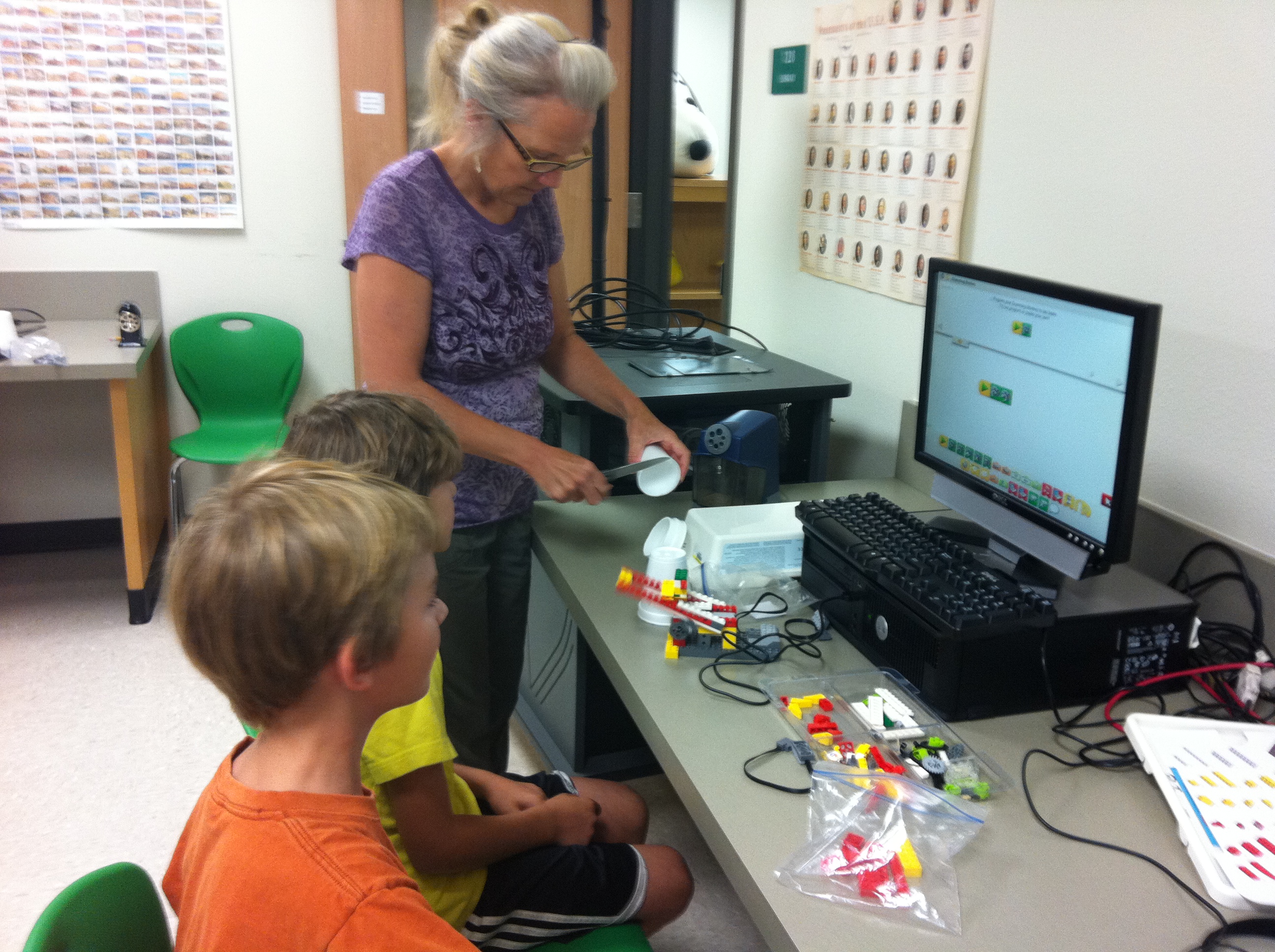
    STEAM camp is professional development for all stakeholders and participants.  Excitement, building of strong professional learning communities across campuses, along with modeling of 21st century learning and critical thinking are expressed outcomes and skill sets obtained and from STEAM training.  Teachers experience learning to let go of being the “expert” in the classroom to the instructional coach/facilitator in the classroom.  Often educators are fearful of the unknown aspects to problem solving.  Robotics allow for our K12 teachers to truly participate as a  21st century learner and teacher.  Critical thinking, planing, logistics, journal reflections, problem solving, questioning, and creating are all strongly emphasized throughout the experience.  Teachers participate in collaborative work settings, create using a variety of digital presentation platforms to be showcased to the world, research and apply unfamiliar scientific topics to all core disciplines to address a variety of levels, and publish reflections for the world to view.

    To see an ongoing transcript of teacher collaboration and to join visit our back channel built June 4, 2012 for teacher training.  Teachers elected on their own June 12, 2012 to allow for students to contribute to the back channel.

    To view teacher reflections and thoughts, please visit and join our collaborative group.  

    Teachers are also reflecting on our Connection Grant Group.

    The group also participated in the MMS Challenge learning activity developed by Sandra Wozniak, Tom Chambers, and Jennifer Miller.  Student productions in STEAM as a result of the challenge were showcased at ISTE12 last week.  To learn more about MMS Challenge, visit our Livebinder located in either collaborative group mentioned above.

    STEAM Camp Instructional Job Aides Used June 2012 © Jennifer Miller

    Image

  • STEAM Showcase

    STEAM Showcase

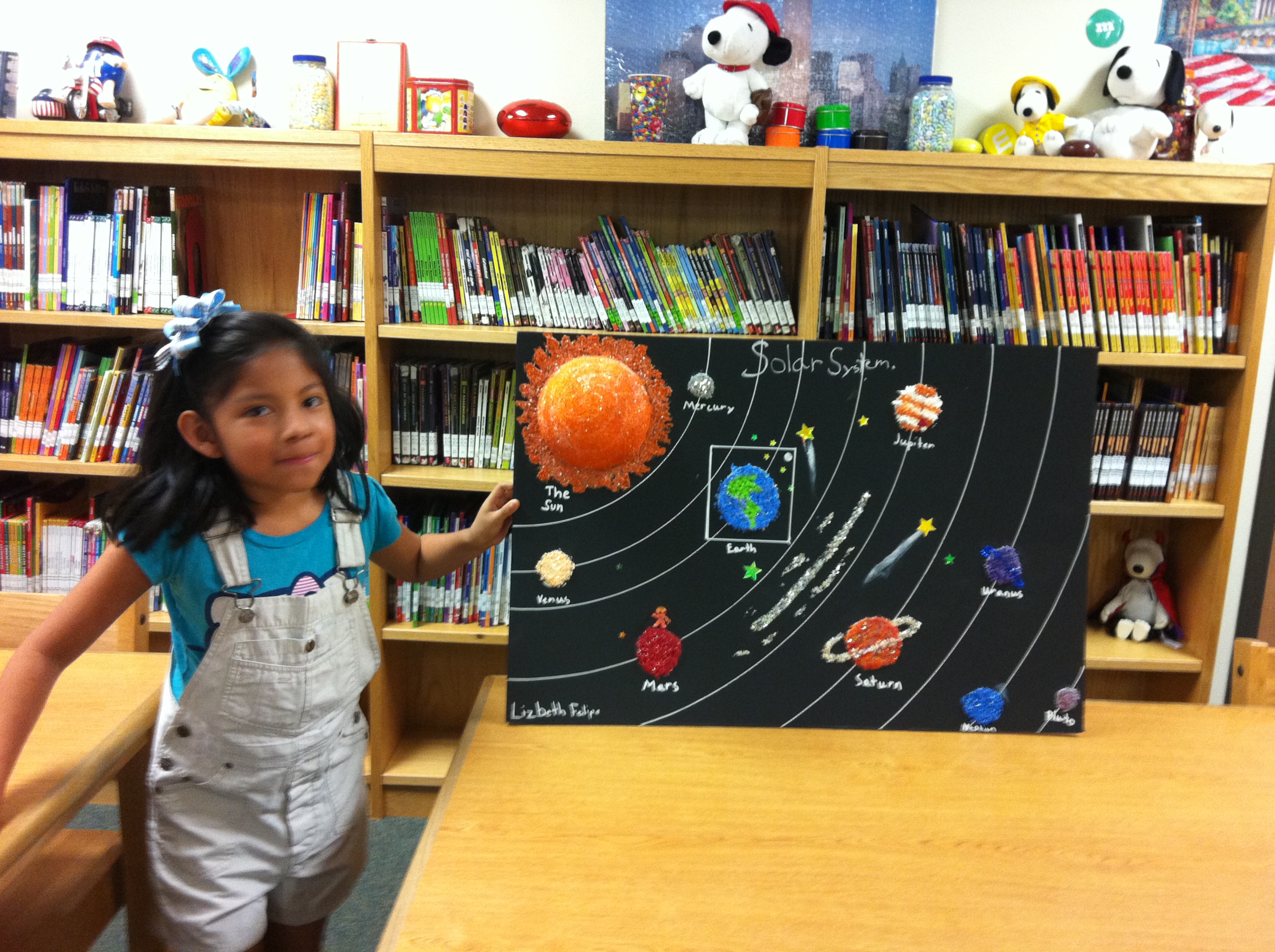
    Art does not have to be digital. Creation and critical thinking is the focus, not technology.

  • Instructional Design for STEAM Camp

    STEAM Academic Camp:  TAP (Topics, Audience, and Purpose)

    Topics

    Careers in Science, Art, and Technology:  Exploring Career Opportunities in STEAM


    Learn To Talk Like An Astronaut:  Building Scientific Academic Vocabulary


    Fun With Magnets:  Understanding Magnetic Force


    What Is The Big Deal With Space Weather?   


    You Be The Teacher:  Checking for Understanding


    Creating eBook Reflections:  Reflecting on Solar Storms, MMS Mission, Magnetic Force, Career Opportunities, and extended learning field trips


    Building a Zip Line


    Designing and programing a Robot


    Building a Community Showcase


    Purpose:


    Students will be placed in small groups and will learn about the process and purpose of the MMS mission so that students understand the background of magnetic force, space weather, auroras, solar storms, careers, and the MMS Mission.  Afterwards, students can complete the MMS Challenge and create a community showcase.  Students and teachers will learn how STEAM affects all content areas during this exercise.  Teachers will also be placed in small groups and will pick the area that they feel would benefit them the most in the classroom next fall and/or area of interest. 


    Audience 4-6 grades students:  STEAM (Science, Technology, Engineering, Art, and Math)


    NEEDS


    Instructor Needs:  Introduction to objectives and purpose of STEAM camp, science vocabulary on NASA’s MMS mission, options for integration tools for teachers to facilitate, concerns, training on integration apps and how to build an eBook, Questions and connections to content area needed., strategies to evaluate student work and progress.   


    Student Needs:  Engaging activities that are “camp” like that will expose students to new academic vocabulary that address diverse learning styles, hands on activities, planning, communication with parents,  inclusion of multicultural activities and perspectives, options on choices for students, feedback from students, student evaluation strategies. 


    Environmental Resources:  iPads, iPods, and MacBook Airs, Lego WeDo and Lego NXT systems, Smart Boards, Projectors, and Speakers, paper, markers, art supplies, tape, and Legos.


    Instructors are being trained daily on different skill sets, and these 18 teachers received training on Tuesday June 12 and Wednesday June 13 from 4:00-5:00 PM. 


    Learning Expectations:


    Course Goals and Objectives:


    Learning goal 1.0:  Students will explore scientific academic vocabulary and on solar storms, auroras, the sun, scientific method, and the Earth’s magnetosphere. 


    Objective 1.1:  Students will create an informative video on the meaning of their favorite scientific vocabulary term relating to solar storms, auroras, scientific method, the sun, or the Earth’s magnetosphere.


    Learning goal 2.0:  Students will conduct collaborative research and apply the scientific method to evaluate results. 


    Objective 2.1:  Students will research from a variety of preselected resources in collaborative groups questions important to the background of NASA’s MMS Mission on solar storms, the sun, the Earth’s magnetosphere, MMS Mission,  and the scientific method.


    Objective 2.2:  Students in collaborative groups will create an instructional presentation from research.  Research presentations will be published and shared to a mobile audience. 


    Learning goal 3.0:  Students will explore and experiment with magnetic fields following the scientific method. 


    Objective 3.1:  Students will create their own magnet following the scientific method approach.   


    Objective 3.2:  Students will create their own compass to further understand magnetic force following the scientific method approach. 


    Objective 3.3:  Students will create an ebook in collaborative groups to reflect learning experiences. 


    Learning goal 4.0:  Students will understand robotic design concepts, practice teamwork, apply problem solving, and understand simple machine language.


    Objective 4.1:  Students will plan, design, build, and work as teams to have a lego bicycle ride a zip line.


    Objective 4.2:  Students will be able to identify and understand how math and science applies to simple machines. 


    Objective 4.3:  Students will design, build, and work as teams to build a robot.


    Objective 4.4:  Students will be able to modify and problem solve to enhance their robotic production.


    Objective 4.5:  Students will be able to program their robot to utilize sensors. 


    Learning goal 5.0:  Students will explore career pathways and opportunities in the field of STEAM. 


    Objective 5.1 Students will develop questions to ask an expert in the field of STEAM: scientist, artist, journalist, technologist, engineer, or architect.  Questions will be shared electronically. 


    Learning Activities: 


    1. Students will think about questions to ask a career professional in the area of STEAM. 
    2. Students will record pre-interview questions for a professional in their career interest.
    3. Students will interview via video conference/in person a professional in the field of STEAM. 
    4. Students will pick their favorite scientific word from an academic word wall.
    5. Students will research the word to find the scientific meaning and create a vocab video on the meaning of the word using 3-5 images.
    6. Students will explore magnets and magnetic force.  Students will build an electro-magnet following the scientific method.  Students will record reflections.
    7. Students will explore and research topics related to the sun and solar weather.   Students will understand how to predict solar weather and review past solar weather activity to compare and contrast solar weather reporting and solar weather impact on human life. 
    8. Students will create an informative eBook from experiences in Careers, solar weather, academic vocabulary, and magnetic force learning experiences.
    9. Students will conduct a pre-evaluation on what they know and/or need to know about robotic systems.

    10. Students will become familiar with robotic kits, classroom management of robotics, and

    11. Students placed in teams will problem solve to build a zip line.

    12. Students will plan, design, and build a robotic system.

    13. Students will program their robotic system to utilize a sensor.

    14. Students in teams will plan, coordinate, and produce a  community showcase or museum exhibit based on complete learning experiences . 


    Assessment: 


    Scientific Community Showcase


    Evaluation: 


    Peer Review, Student Self Evaluations, Reflections


    Timeline/Calendar: All training with teachers is small group based. 


    June 4:  Teacher PD On purpose of STEAM camp, MMS mission purpose, and practiced 21st century skills:  Worked You Be The Teacher and was given a STEAM camp overview.


    June 11:  STEAM camp kick off with Digital artist, ice breaker activities, and participate in You Be the Teacher, Learn To Talk Like An Astronaut, and Fun With Magnets. 


    Teacher training after camp on what is the Big Deal with Space Weather, Careers in Science, Art, and Technology.


    Juen 12:  STEAM Camp:  Build paper rockets, What is the Big Deal with Space Weather, Careers in Science, Art, and Technology, You Be the Teacher, Learn to Talk Like an Astronaut , and Fun With Magnets.


    Teacher Training:  Using Gimp for Academic vocabulary, Using Animoto for Vocabulary and Video Production, Blogging tools and Introduction to iPad Apps


    June 13:  MMS Challenge with students at STEAM camp


    Teacher Training:  Building an eBook, Design a Zip Line


    June 14-17:  NASA trip, teachers and students will build an eBook


    June 19:  eBook Reflections with students, Design a Zip Line


    Teacher Training:  Strategies to help student design and  Build a Community Showcase


    June 22:  Build a Community Showcase Event


    Student Evaluations Daily


    Teacher Training and Learning Evaluations:  June 11 and June 22
  • Why You Don’t Remember Names


    There is a world of knowledge out there for those that listen well. When we commit to really listen we discover details that make succeeding much faster and often, much easier. Listening is a skill, and like any skill we can improve it through practice.

    via Why You Don’t Remember Names.

  • Challenge To Follow Learning Passions: #ISTE12 Reflections

    I concluded the hardest, yet most successful, year in my career.  As a change agent and life long learner, I can honestly say that the energy and quality of professionalism at #ISTE12 renewed my commitment and beliefs in the direction we are heading to revolutionize learning approaches and opportunities for all students around the world.  Students are hungry to learn and yearn for challenging approaches. The conference led me to the realization that the time for radical changes in approaches is now.  Access to mobile technologies is providing an opportunity for all learners to have access to the best content and libraries in the world.  How are we providing nutritional content?  Why do so many educators not have passionate feelings towards their content areas?  How can we best help educators and leaders find that spark that is missing in so many classrooms and campuses?  So many classrooms employ learning strategies similar to Stand and Deliver.  Engagement is decreasing, but students are curious and demand more from daily integration approaches.  It is essential that leaders model these approaches both virtually and online.  The quality and rigor of communication in both environments must be increased.  One of the best sessions, was led by my colleague Sandra Wozniak.  Sandra’s SCAN session captured the essence of how model classrooms can best engage students.  Much focus during professional development tends to be directed towards integration tools instead of processes.  Often teachers are told what to do, but are rarely shown how during trainings.

    As I have seen throughout the year, the amount of technologies and products are numerous and overwhelming.  However, how many products really capture the power of passion?  It was refreshing to see so many students in the exhibit hall at the Teacher Tools station.  It was so impressive to see a CEO playing with students and demonstrating his passion for learning.  The time to build a community of learners is now.

    I experienced this feeling during STEAM camp this month with Dublin ISD colleagues, Tom Chambers, and Sandra Wozniak.  Students were so excited to learn and daily came to school with an eager smile.  The realization that others would appreciate their productions strongly motivated the entire group.  Our community showcase, RYSS and DISD traveling art exhibition, NASA ISTE poster sessions, playground session, and Sandra’s SCAN session brought it all home to me.  The ending keynote speaker shared about passion based learning and challenged us all to continue to Think Global and Act Local.  Flying home on the plane, I felt a real and rare feeling of peace.  Sharing our experiences with the world was a very powerful and overwhelming experience.  Knowing that so many all over the planet will take productions and ideas from our students was overwhelming to me.  Six months ago I was ready to change occupations, but today I am so grateful for this school year and experience.  Change agents also need to renew.  Thank you #ISTE for helping me realize that my life’s calling is still education.

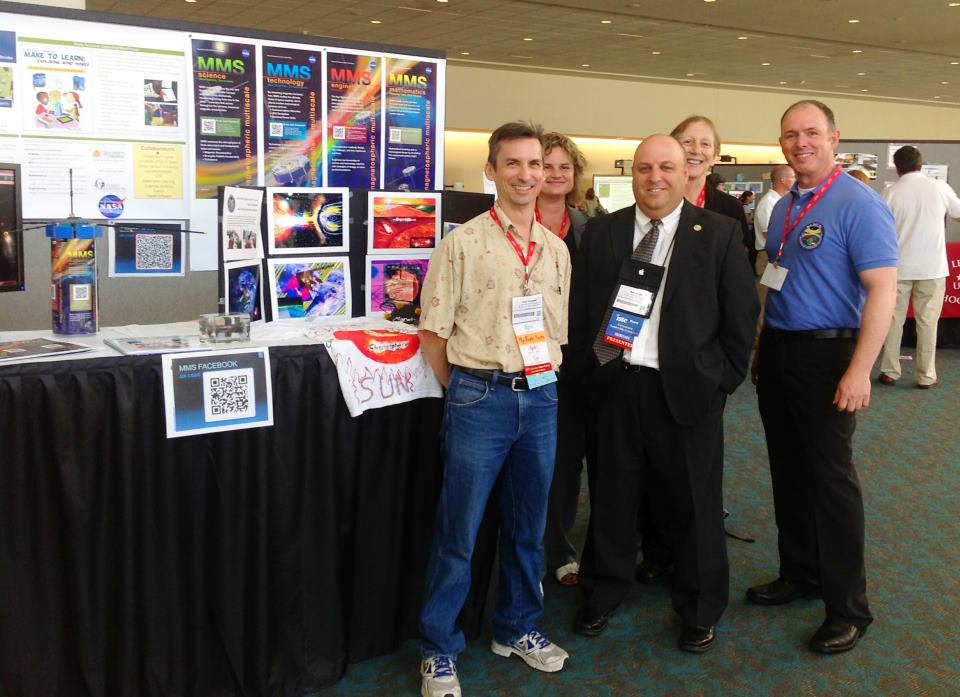
    MMS NASA ISTE Cyber Cafe Poster Session
  • Thoughts on Instructional Design

    ImagePlanning is essential to the quality of instructional design and impacts the effectiveness of lesson delivery.  Understanding target market needs can often be overlooked, but it is very important to consider target market before thinking about instructional approaches.  

    Video technology is a powerful force and influential when pushing learning participants to consider other viewpoints.  Cooperative learning, video technology, emphasis on evaluating media, and challenge based learning can better engage students.  

    Giving students choices is also essential to student motivation and is an important component to instructional design.  Alternative assessment approaches that includes a portfolio piece is a research interest.  Standardized approaches to instructional design cannot be eliminated, but creative and alternative approaches to instructional design and assessment is needed.  

    Students are very interested in seeing work appreciated by the public at large.  Instructional design should give students a variety of choices, which includes many instructional technology components as well as creative and artistic components.  


  • Learning Analysis, Lesson Design, and R/Evolution

    It is important to understand and pinpoint the needs of students and teachers in order to plan, deliver, and evaluate learning experiences.  In order for learning to occur, educators and instructional leaders must fully understand problems and focus on the quality of instruction rather then the quantity of instruction.  Lesson design must also accommodate 21st century learner needs, which is very different from previous conventional learning approaches, such as the objectivist model of learning.  As pointed out in Leidner and Jarvenpaa’s article , many instructional leaders view IT as an automated program and have yet to fully understand the importance of IT, which can be used as a “catalyst of change.”  Many instructional technologists will lead the world in the R/Evolution, which industry leaders and economists, such as Thomas Friedman, recognize is lacking in current approaches.  A shift from managerial leadership to that of an instructional leader, who models life-long learning, is needed.  IT will continue to push public K12 education to recognize that standardized and lecture based approaches are lacking. Collaboration, mobile learning, accessible video content, access to real time current events, and  virtual field trips will continue to push educators to think about cognitive processes.  Clear objectives and goals are essential for IT to take place.  However, clear guidelines on how to integrate appropriately are also a huge component to improved learning outcomes.  The R/Evolution presented on the youtube video reintegrates that media literacy and cognitive processes are changing.  Unfortunately,  many approaches to professional development ignores this new reality.  Life long learning, evaluation of approaches, positive communication, virtual collaboration, support, mobile accessibility, and encouragement is essential for growth.  

  • Reflections on NASA MMS 2014 STEAM Camp and Extended Learning Experience

    DISD STEAM camp is turning into a wonderful experience.  Daily our 18 teachers are learning new approaches after camp  to utilize both in their classroom next fall and in an extended learning trip to NASA later this weekend.  STEAM teachers are facilitating true 21st century learning experiences and giving low income students in our community opportunities to extend learning outside of DISD.  

    Teachers have had little to no exposure to  the purpose of NASA’s MMS mission until they began training last week.  Each day we meet and teachers are exposed to a little more information and resources.  We have worked to bring in experts for both professional development and to help with the STEAM camp via Skype and social media.  As I begin thinking about the purpose and objective of our lesson and work through this course, I realize that approaches being used are very much at the top of Blooms Taxonomy of Learning and address all three learning styles:  Cognitive, Affective, and Psychomotor.

    The objectives for this weekend and next week will be the following:

    Students will research and analyze how NASA is using the scientific method during the development of MMS 2014 mission. Students will create informative hands on robotic and digital productions to showcase why the mission is important to the world and then evaluate student production in a student led community STEAM Science Fair showcase. All will be documented on websites and social media. We will showcase on an ISTE NASA panel in San Diego.  Teachers document training daily.  The approach that we are using is two folded.  Teachers are becoming empowered and learning how to facilitate and recognize that they do not have to be an “expert” to challenge students to think about the purpose of the MMS mission.  All activities are student led and teachers are learning with the students during the next few weeks.  I ask both students and teachers to reflect daily after training or camp for documentation purposes.  

    To learn more about our STEAM camp, you are welcome to view our schedule, which is changing daily. 

  • My Viewpoints on Personal Learning Theory

    I believe top educators motivate, engage, and challenge students to want to learn or become lifelong students.  As our nation attempts to keep the brightest minds to advance freedom of thoughts and ideas so that progress continues, it is imperative that we recognize as a society how important it is to hire and employ quality professionals and leaders who do not view the occupation as “job” but see it as an opportunity or “calling” to make a difference.    When looking at personal learning theories, I can see pieces of all theories as an important part of the overall make up of the 21st Century School.

    Our job as educators is to facilitate learning and model learning.  In addition, educators need to expose students to a wide range of viewpoints and ideas.   Lectures and death by powerpoint is not engaging and often this is what a college student will encounter when attempting to “learn” how to be a 21st century teacher.  Instructions and small lectures may be needed, but this should not be our main focus.  For this reason, I have strong feelings regarding the objectivist model of learning.  The objectivist model of learning is boring and does not give students the experiences needed to really gain knowledge.

    The constructivist model of learning is a more preferred approach because it centers on students and is student led.  Student follow the scientific method of approach and the teacher facilitates and allows the students to find knowledge on their own, with the teacher acting as a guide, which is a 21st century skill set.  Problem based learning and challenge based learning are both approaches that follow this model, and students find PBL and CBL very engaging and rewarding.  Students also enjoy collaborating and working in a team environment, either virtual teams for face to face.  The cooperative learning model is also essential for students to succeed in the global economy.  Students must be exposed to other cultural norms and societies and the socioculutural model allows for students to think about global connections and viewpoints.

Connect with me and share!